How to Maintain Planters for Healthier, Longer-Living Plants
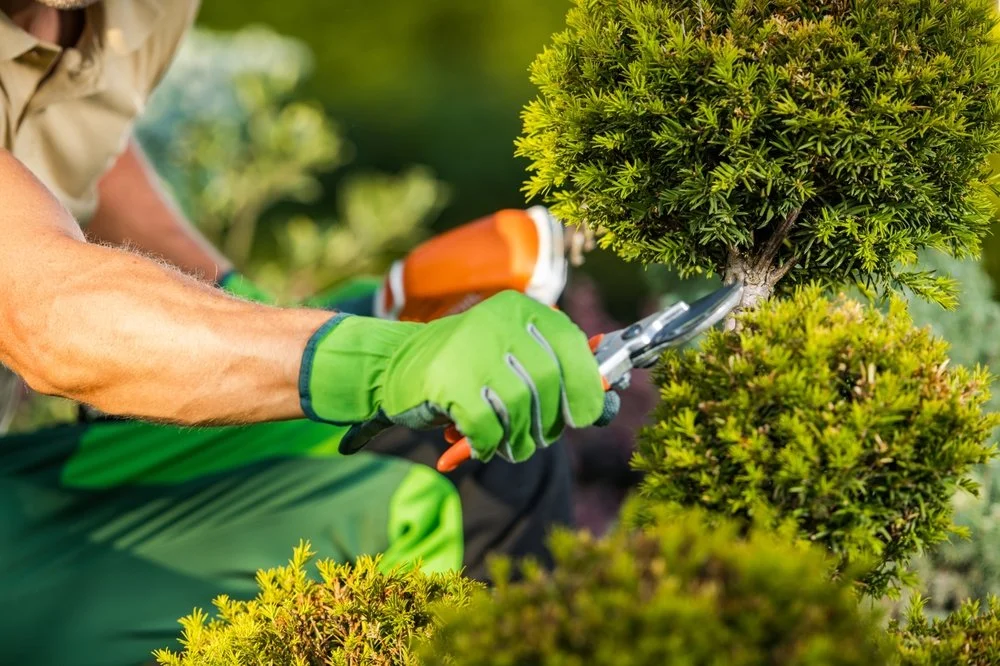
Everyone enjoys looking at potted plants: passersby, clients, customers, guests, and employees alike admire the lush, green, and colorfully assorted plants placed outside a commercial business. Plants placed outside a commercial space add elegance and warmth to a building, inviting people inside and making a lasting impression as they pass by. However, placing planters around your building’s exterior requires maintenance to keep them looking their best.
Whether you’re a landscaper responsible for maintaining plants inside the planters or an employee tasked with caring for the plants surrounding the office, you understand how a slight overwatering or too much direct sunlight can wreak havoc on plants. If you’re struggling to keep plants healthy year-round, continue reading for some maintenance tips for plant longevity, so you can enjoy plants without the hassle of constantly replacing them.
Year-round Maintenance Tips for Plants
Caring for plants can be tricky, especially during severe weather, fluctuating temperatures, and seasonal shifts. Below are some general maintenance tips for plants to keep them healthy year-round:
Position Planters for the Right Sunlight
The sun shines year-round, regardless of season. While summertime has more daylight than wintertime, the sun still shines, providing plants with bright direct sunlight. Whether you have evergreens or hardy perennials, exposing them to the right amount of sun year-round is crucial to their health and, therefore, their longevity.
As a general rule of thumb, place your planters in spots that match the right level of light they require. Some plants thrive in shaded areas, so placing them on a patio would be ideal, while plants requiring bright direct sunlight would thrive near an uncovered entryway. Depending on the weight of the planter the plants are in, you can rotate the planters occasionally to ensure they have even growth. However, traditional commercial concrete planters can weigh over 1,000 lbs, so rotating them can be tricky.
Water for Soil Moisture, not on a Schedule
It’s easy to set a calendar reminder or set your self-watering system on a consistent schedule, but it can be dangerous for your plants. While plants do require consistent watering, soil moisture is of the utmost importance rather than sticking to a strict watering schedule. Some plants (succulents and cacti) prefer to let their soil dry out between waterings, while others (ferns and hydrangeas) prefer consistently moist soil. Overwatering plants can result in serious damage, including root rot, oxygen deprivation, pest infestation, and wilting leaves. Likewise, underwatering can cause wilting, stunted growth, and sun damage. Always check the soil and the plant type before you break out the hose - your plant will thank you as it grows and blooms.
Ensure Soil is Healthy
Plants need healthy soil to thrive; unhealthy soil lacks the necessary nutrients that plants require to absorb to flourish. Unhealthy soil often has a mildew or sour smell and either a wet, soggy, or dry and crumbly texture. Healthy soil should be loose and crumbly so roots can grow and spread easily. It should also have a pleasant outdoorsy smell rather than a sour or mildew smell. If the soil is unhealthy, consider flushing the soil, loosening the soil, adding compost, or repotting to a different commercial planter.
Check for Plant Health
Plants can communicate health or disease through a few physical indicators. For one, the plant should have a consistent color throughout its leaves or blooms; dull and inconsistent colors often indicate an unhealthy plant. Next, its leaves should be firm, not limp or hanging on by a thread. It should also be upright, never sagging or hanging to the side. If your plant is showing signs of disease or unhealthy soil, consider repotting it with fresh soil and in a better commercial planter.
How Planters Affect Plant Longevity
Believe it or not, the type of commercial planter affects a plant’s longevity, like caring for the plant does. The commercial planter used for plants should be of high quality to ensure plants thrive and are protected from fluctuating temperatures and overwatering/underwatering.
Big box stores selling commercial planters are often made from concrete, weighing hundreds, sometimes over a thousand pounds, making it near impossible to readjust the plant’s placement. Moving a heavy concrete commercial planter is expensive and requires renting equipment to relocate it. They often have poor drainage, causing plants to retain water that can cause root rot. Concrete planters also don’t protect against fluctuating temperatures, causing overwatered roots to experience more stress, significantly decreasing a plant’s longevity.
Plants require a durable commercial planter with excellent drainage, a material that can protect against fluctuating temperatures, aid in moisture conservation, irrigation integration, and improve nutrient uptake efficiency. The best planter for your commercial property is a PolyMade commercial planter.
The PolyMade Difference
Simply put, plants thrive in PolyMade’s commercial planters. Our custom planters are engineered from advanced, lightweight materials that combine strength, adaptability, and refined aesthetics without the drawbacks of conventional planter systems. Each PolyMade commercial planter features a proprietary three-layer construction: a high-density polystyrene core that keeps it lightweight, a polyurea coating that delivers resilient, flexible strength, and a Dryvit™ stucco finish that offers a premium surface with extensive customization options. The result is a high-performance planter designed to meet the demands of modern commercial landscapes and architectural spaces.
Below are some of the many advantages of building a PolyMade commercial planter:
Fully customizable forms, dimensions, and color palettes
Integrated insulation for temperature stability
Moisture-retentive design that supports long-term plant health, outlasting the seasons
Root-protective construction for improved longevity
Modular planters for simplified installation, relocation, and reconfiguration
CAD-driven design and manufacturing for precision and consistency
Handcrafted in the USA
Food-safe certified materials
Designed for efficient shipping and straightforward installation
For oversized applications, optional forklift channels are seamlessly integrated to support efficient on-site handling.
Let’s Design Your Custom Solution
PolyMade planters maintain their integrity and appearance through extreme weather conditions and temperature changes, delivering both beauty and reliability year after year. From initial concept through final installation, our experienced support team provides hands-on guidance at every stage. Our streamlined process makes customization effortless: we collaborate with you to define dimensions, refine specifications, select finishes, and finalize design details.
Connect with our team to learn how PolyMade’s custom commercial planter boxes can enhance your project, simplify installation, and create an environment where plants—and properties—thrive.